


You slept seven or eight hours, but morning still feels like a struggle. Before blaming your energy level on one missing nutrient, look at sleep quality, daily habits, and whether your overall nutrition is actually supporting the day ahead.
Time in bed is only one part of restorative sleep. Repeated awakenings, inconsistent sleep timing, late caffeine, alcohol, bright light at night, stress, and an uncomfortable sleep environment can all affect how rested you feel the next morning.
And sometimes the problem is not sleep alone. Busy schedules can also make breakfast irregular and leave meals less balanced than intended. That is where nutrition becomes part of the conversation—but a supplement should never be treated as a substitute for good sleep or a solution for unexplained fatigue.
The real problem: enough hours does not always mean restorative sleep
Adults generally need at least seven hours of sleep, and many adults function best within a roughly seven-to-nine-hour range. Quality and consistency matter too. Sleep that is repeatedly interrupted can leave you feeling unrefreshed even when the clock says you spent enough time in bed.
If tired mornings are becoming normal, consider the whole routine: when you go to bed, how often you wake, how late you use caffeine, what your bedroom feels like, and whether stress keeps your mind active long after the lights go out.
What to check before reaching for a quick energy fix
- Keep sleep and wake times consistent: Large schedule swings can make mornings feel harder.
- Watch late caffeine: Coffee, tea, energy drinks, and other caffeine sources can affect sleep hours later.
- Build a real wind-down period: Give yourself time away from work, bright screens, and highly stimulating activities before bed.
- Look at breakfast and daytime nutrition: A supplement cannot replace varied meals, enough fluids, protein, fiber, and regular eating habits.
- Notice persistent symptoms: Severe daytime sleepiness, loud snoring, breathing pauses, morning headaches, or ongoing exhaustion deserve medical evaluation.
Where a multivitamin may fit
Vitamins and minerals have specific jobs in the body. Several B vitamins, for example, are involved in processes that help the body convert food into usable energy. That does not mean taking extra vitamins automatically creates more energy when your intake is already adequate.
A multivitamin can be considered as a nutritional back-up for people whose daily eating pattern does not always cover every nutrient consistently. It should complement food—not replace it—and it should not be presented as a treatment for tiredness caused by poor sleep or an underlying health problem.
One morning-wellness option to know
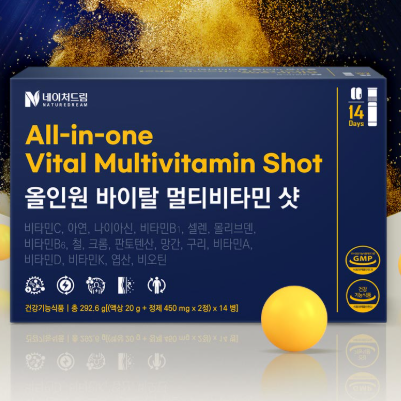
Nature Dream All-in-One Vital Multivitamin Shot
A compact 20g × 4-bottle multivitamin format available on Kim’s Basket. The product combines liquid and solid components, while Hanpoom’s product information lists 17 vitamins and minerals including B vitamins, vitamin C, vitamin D, magnesium, zinc, selenium, and copper.
Shop NowWhat to check before choosing a daily multivitamin
- Look at the actual nutrient panel: A longer ingredient list does not automatically make a product a better match for you.
- Compare amounts with your existing routine: Check whether other supplements or fortified foods already provide the same nutrients.
- Follow the verified serving: Confirm the final package instructions before use rather than assuming every vitamin shot is taken the same way.
- Check allergens and warnings: Review the full physical label, especially if you take medication, are pregnant or nursing, or manage a medical condition.
A vitamin shot is not a substitute for restorative sleep
Feeling exhausted after adequate time in bed can have many explanations. A multivitamin may help cover nutrient gaps, but it does not diagnose or treat poor sleep, insomnia, sleep apnea, anemia, thyroid conditions, or other causes of fatigue.
If tiredness is persistent, worsening, or interfering with work, driving, concentration, or everyday activities, discuss it with a qualified healthcare professional.
Frequently asked questions
Why am I still tired after 8 hours of sleep?
Sleep quality, interruptions, irregular timing, stress, caffeine, sleep disorders, and other health factors can all affect how rested you feel.
Can a multivitamin give me more energy?
Vitamins such as several B vitamins participate in normal energy metabolism, but taking extra vitamins does not automatically create an energy boost when your nutrient needs are already being met.
What is in the Nature Dream All-in-One Vital Multivitamin Shot?
Hanpoom lists 17 vitamins and minerals, including vitamins A, B1, B2, B3, B5, B6, B7, B9, B12, C, D and E, plus calcium, magnesium, zinc, selenium, and copper. Always confirm the final package label before use.
Should a multivitamin replace breakfast?
No. Multivitamin/mineral supplements cannot replace the variety of nutrients, fiber, and other components supplied by a balanced diet.
When should I get help for persistent tiredness?
Seek medical advice when fatigue is persistent, affects daily function, or occurs with symptoms such as loud snoring, breathing pauses during sleep, severe daytime sleepiness, unexplained weakness, or other concerning changes.
The takeaway
Waking up tired after a full night of sleep is a reason to look at the bigger picture—not simply add another hour in bed or reach immediately for a supplement.
Start with sleep consistency, caffeine timing, your evening environment, and your everyday eating pattern. If a multivitamin makes sense for your routine, choose it based on its verified nutrient panel and your actual nutritional needs.
Nature Dream All-in-One Vital Multivitamin Shot offers a compact multinutrient format for customers looking for a convenient daily wellness option, but it belongs alongside—not instead of—food, sleep, and appropriate medical care.
Give Your Morning Routine a Smarter Start
See the full Kim’s Basket product details and decide whether this multivitamin format fits your routine.
Explore the Vitamin Shot →