


Meet Banaba Leaf
A traditional botanical making its way into modern Korean wellness routines.
A small leaf with a long story
Banaba leaf is a familiar ingredient in Southeast Asian herbal traditions—and a growing part of Korean wellness culture.
Banaba is the common name for Lagerstroemia speciosa, a tropical flowering tree native to China’s Yunnan region and tropical Asia, including the Philippines and other parts of Southeast Asia.
The plant is known for its broad green leaves and delicate pink-to-purple flowers. Traditionally, the leaves have been prepared as a hot-water infusion. Today, they may also be found in capsules, powders, and liquid extracts.
Think of banaba as an ingredient—not a quick fix. Its place in a wellness routine makes the most sense alongside balanced meals, regular movement, sleep, and professional healthcare when needed.

Why is banaba studied?
Researchers have focused on naturally occurring compounds in banaba leaves, including corosolic acid and several ellagitannins. Laboratory, animal, and small human studies have explored how banaba preparations may relate to glucose uptake and post-meal blood-sugar markers.
That research is interesting, but it is still developing. Studies have used different extracts, amounts, and formats, so results cannot automatically be applied to every tea or supplement. More well-designed human research is needed.

How is banaba used?
The same botanical can fit different routines, depending on the format and the product label.

Banaba may be brewed as an herbal tea or included in a dietary supplement. In Korea, it is also used in convenient wellness formats designed for people who prefer a measured serving in a tablet, capsule, stick, or extract.
Because preparation methods and concentrations can vary, it is important to read the product label carefully. Follow the suggested serving instructions, and do not assume that a higher amount is better.
From traditional leaf to modern wellness
One reason banaba continues to attract attention is its simple story: a recognizable plant, a long history of traditional use, and a modern interest in more intentional daily habits.
For many people, the appeal is not about chasing dramatic results. It is about building a routine that feels manageable—such as choosing a product with a clear label, taking it as directed, and pairing it with nourishing meals.
- Keep meals varied, with vegetables, fiber, and a source of protein.
- Use the serving size and directions printed on the product label.
- Track how a new supplement fits into your overall routine.
- Ask a qualified healthcare professional if you have questions about your individual needs.

A thoughtful approach matters
Banaba products are dietary supplements, not medicines. They should not be used to diagnose, treat, cure, or prevent diabetes, and they should not replace prescribed medication or professional care.
Speak with a doctor, pharmacist, or other qualified healthcare professional before use if you take medication—especially medication that affects blood sugar—or if you are pregnant, breastfeeding, preparing for surgery, or managing a health condition.
Choose products with a complete ingredient list, clear serving directions, manufacturer information, and a batch or expiration detail when available.
Banaba leaf questions
Is banaba the same as regular tea?
No. Banaba tea is an herbal infusion made from banaba leaves. It is different from tea made from Camellia sinensis, such as green, black, or oolong tea.
What is corosolic acid?
Corosolic acid is one of the naturally occurring compounds found in banaba leaves. It is frequently discussed in research on banaba extracts and glucose metabolism.
Can banaba replace diabetes medication?
No. Banaba supplements should not replace prescribed medicine, blood-glucose monitoring, or advice from a healthcare professional.
How should I take a banaba supplement?
Follow the directions on the product label. If you take medication or have a health condition, ask a healthcare professional before adding it to your routine.
What should I look for when choosing one?
Look for a clear ingredient list, serving information, manufacturer details, and a product that fits your needs and local supplement regulations. Third-party quality testing can be useful when it is available.
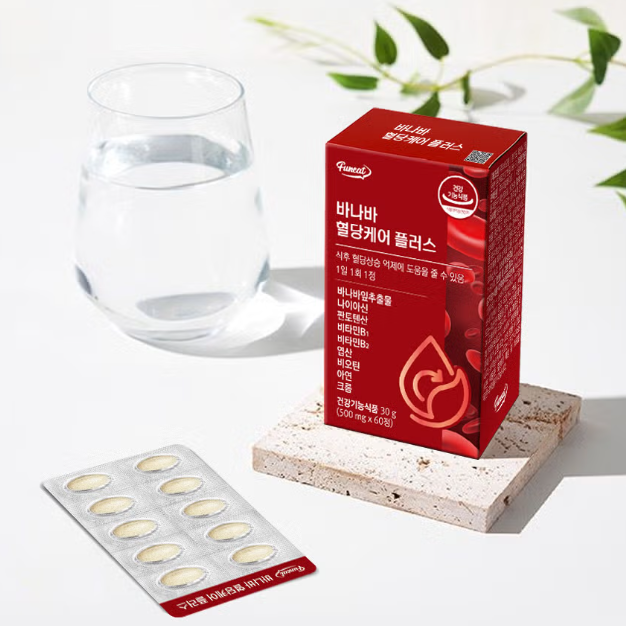
Funeat Banaba Blood Sugar Care Plus
A convenient one-tablet daily format featuring banaba leaf extract with corosolic acid, plus selected vitamins and minerals.
SHOP NOWMore Banaba Wellness
1. Royal Botanic Gardens, Kew, Lagerstroemia speciosa species profile.
2. Miura T, et al. Management of Diabetes and Its Complications with Banaba and Corosolic Acid.
3. Stohs SJ, Miller H. A review of the efficacy and safety of banaba.
4. U.S. Food and Drug Administration. Questions and Answers on Dietary Supplements.